Featured
"Debt Forgiveness Destroys Your Life" and Other Lies for ...
How to Not Fall Into the Previous Mistakes After Debt Rel...
How Much The 12 Most Common Myths About Debt Relief—Buste...

Not known Details About Protecting Yourself Against Fraudulent Companies
Table of Contents
That maximizes cash in the short-term, and you may have three to four years to conserve towards the negotiation amount. Really hazardous to credit history, mainly because of missed out on repayments and an adverse "settled" mark that could remain on your credit record for up to 7 yearsMay be only alternative if other choices (financial obligation combination, balance transfer bank card, debt forgiveness) aren't possibleTypically requires a fee to the 3rd party, which might counter some or every one of the financial savings from financial obligation settlementMay aid you prevent personal bankruptcy if you have actually missed out on a number of paymentsNot all financial institutions function with debt negotiation companies Financial obligation mercy may be ideal for you if you are experiencing an economic difficulty that makes it almost impossible to pay down your financial debt balances.
With a DMP, you make one month-to-month payment to the credit therapy company. Those funds are then distributed to lenders of your unsecured financial obligations, such as credit score cards and installment financings. The company collaborates with your creditors to decrease rate of interest or waive costs, but some financial institutions might decline such concessions.
It can assist you pay down financial obligation if you're able to safeguard a funding price that's reduced than the ordinary rate of the accounts you're consolidating. You must abstain from racking up financial debt on those freshly removed accounts or your debt might expand also higher.
That offers you lots of time to remove or substantially reduce your equilibrium while making interest-free repayments.
Our Questions You Should Ask Prior to Committing Diaries
You might require it if your lender or a collection firm ever before attempts to gather on the financial debt in the future. The letter can prove you don't owe what the debt collector's records reveal. Yes, most of the times, the internal revenue service thinks about forgiven financial obligation as taxed earnings. When a loan provider forgives $600 or more, they are called for to send you Type 1099-C.
Financial debt mercy or settlement practically always harms your credit scores. Anytime you settle a financial debt for much less than you owe, it may look like "cleared up" on your debt record and impact your credit rating for 7 years from the day of negotiation. Your credit history can also go down substantially in the months causing the mercy if you fall back on repayments.
The Greatest Guide To Innovation Is Making Financial Help Easier
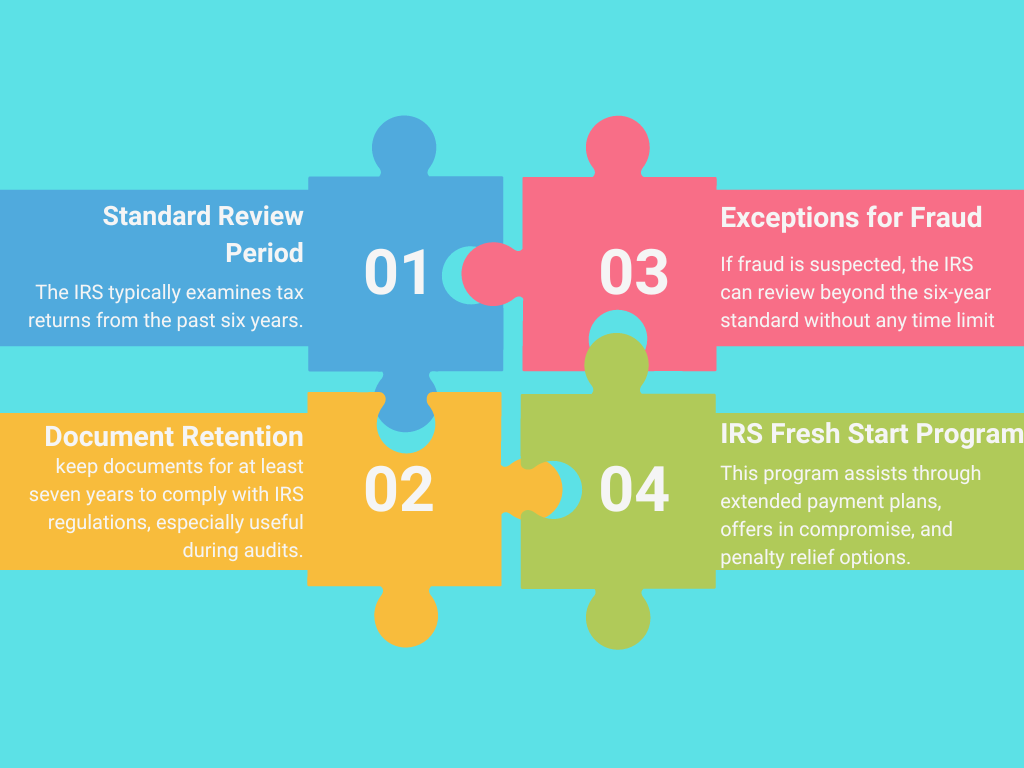
Tax financial obligation concession programs Tax financial debt occurs when the quantity of tax obligations you owe surpasses what you have actually paid. This situation usually arises from underreporting revenue, not submitting returns in a timely manner, or disparities discovered throughout an internal revenue service audit. The effects of accumulating tax obligation debt are serious and can consist of tax obligation liens, which provide the IRS a lawful case to your residential or commercial property as safety for the financial debt.
Salaries and Financial institution Accounts IRS can impose (take) incomes and bank accounts to please the financial obligation. Home Seizure In extreme instances, the Internal revenue service can take and sell property to cover the financial debt.
Social Stigma Facing lawful activity from the Internal revenue service can lug social preconception. Work Opportunities An inadequate credit score due to tire debt can limit employment chances. Federal government Benefits Tax financial obligation may affect eligibility for government advantages, such as Social Security and Medicaid.
Our Understanding Bankruptcy Types Before Consulting Statements
The OIC thinks about numerous aspects, consisting of the taxpayer's revenue, costs, possession equity, and capability to pay. Effectively discussing an OIC can be complex, calling for a detailed understanding of the internal revenue service's standards and a solid argument for why your offer straightens with your capacity to pay. It is very important to keep in mind that not all applications are approved, and the procedure requires in-depth financial disclosure.
The IRS assesses your general monetary situation, including your earnings, expenses, asset equity, and capacity to pay. You should additionally be present with all filing and payment demands and not be in an open bankruptcy proceeding. The IRS additionally considers your conformity background, evaluating whether you have a document of timely declaring and paying taxes in previous years.
Initial Impact on Why Mental Health Support for Veterans Matters More Than Ever Choices Things To Know Before You Buy
The application procedure for an Offer in Compromise entails numerous thorough steps. First, you must complete and send IRS Kind 656, the Offer in Compromise application, and Type 433-A (OIC), a collection information statement for individuals. These types require thorough monetary details, consisting of details concerning your income, debts, expenses, and properties.
Back taxes, which are overdue tax obligations from previous years, can substantially boost your total internal revenue service debt if not attended to without delay. This financial debt can build up rate of interest and late settlement penalties, making the original amount owed much larger gradually. Failure to pay back taxes can cause the IRS taking enforcement activities, such as releasing a tax obligation lien or levy versus your residential property.
It is very important to address back tax obligations asap, either by paying the sum total owed or by preparing a repayment strategy with the internal revenue service. By taking proactive actions, you can avoid the buildup of additional rate of interest and charges, and prevent more hostile collection activities by the IRS.
One typical reason is the idea that the taxpayer can pay the sum total either as a round figure or through a settlement plan. The internal revenue service likewise takes into consideration the taxpayer's revenue, expenses, asset equity, and future earning capacity. If these elements show that the taxpayer can pay for to pay greater than the supplied amount, the internal revenue service is likely to turn down the deal.
Not known Facts About "Why Mental Health Support for Veterans Matters More Than Ever Is Shameful" and Other Lies
It is critical to provide precise and complete details in your application and to seek advice from a tax specialist to boost the opportunities of acceptance. Managing IRS financial debt can be complex and complicated. Tax obligation professionals, such as CPAs, tax lawyers, or registered representatives, can provide important help. They have the knowledge to navigate the ins and outs of tax legislation and IRS treatments.

Table of Contents
Latest Posts
"Debt Forgiveness Destroys Your Life" and Other Lies for Dummies

How to Not Fall Into the Previous Mistakes After Debt Relief Things To Know Before You Buy
Some Of Pricing Honesty to Watch For
More
Latest Posts
"Debt Forgiveness Destroys Your Life" and Other Lies for Dummies
How to Not Fall Into the Previous Mistakes After Debt Relief Things To Know Before You Buy
Some Of Pricing Honesty to Watch For