Featured
"Debt Forgiveness Destroys Your Life" and Other Lies for ...
How to Not Fall Into the Previous Mistakes After Debt Rel...
How Much The 12 Most Common Myths About Debt Relief—Buste...

What Does Support Offered From Housing Counseling for Roommates and Shared Households: Avoiding Conflict and Eviction Providers Do?
Table of Contents
That maximizes money in the brief term, and you might have three to four years to save toward the settlement amount. Very unsafe to credit rating, largely because of missed out on payments and a negative "cleared up" mark that can remain on your credit score record for up to 7 yearsMay be only choice if other choices (financial debt combination, equilibrium transfer charge card, debt forgiveness) aren't possibleTypically calls for a cost to the 3rd party, which can offset some or all of the financial savings from debt settlementMay aid you avoid bankruptcy if you've missed several paymentsNot all lenders function with financial obligation negotiation companies Debt mercy might be appropriate for you if you are experiencing an economic hardship that makes it virtually impossible to pay for your financial obligation equilibriums.
With a DMP, you make one regular monthly settlement to the credit history counseling company. Those funds are after that distributed to lenders of your unprotected debts, such as charge card and installment finances. The company deals with your lenders to minimize interest prices or forgo fees, yet some financial institutions may reject such giving ins.
A debt combination car loan combines your eligible financial obligations into one new finance. It can assist you pay for financial obligation if you have the ability to protect a car loan price that's reduced than the ordinary price of the accounts you're settling. You must avoid from racking up financial obligation on those freshly gotten rid of accounts or your debt could expand also higher.

These cards usually offer a 0% passion introductory period of approximately 21 months. That gives you lots of time to eliminate or significantly lower your balance while making interest-free repayments. For some people encountering insurmountable financial obligation, insolvency may be the only means to quit collection procedures and lawfully settle their financial obligations.
Some Known Facts About Important Things to Ask Prior to Enrolling.
You might require it if your lender or a collection company ever attempts to accumulate on the financial obligation in the future. When a lender forgives $600 or even more, they are needed to send you Type 1099-C.
Financial debt forgiveness or settlement virtually always hurts your debt. Anytime you resolve a financial debt for less than you owe, it might appear as "cleared up" on your credit score report and impact your credit report for 7 years from the date of negotiation. Your credit rating can additionally drop significantly in the months causing the forgiveness if you fall back on payments.
True Testimonials from Individuals Who Achieved Freedom for Dummies
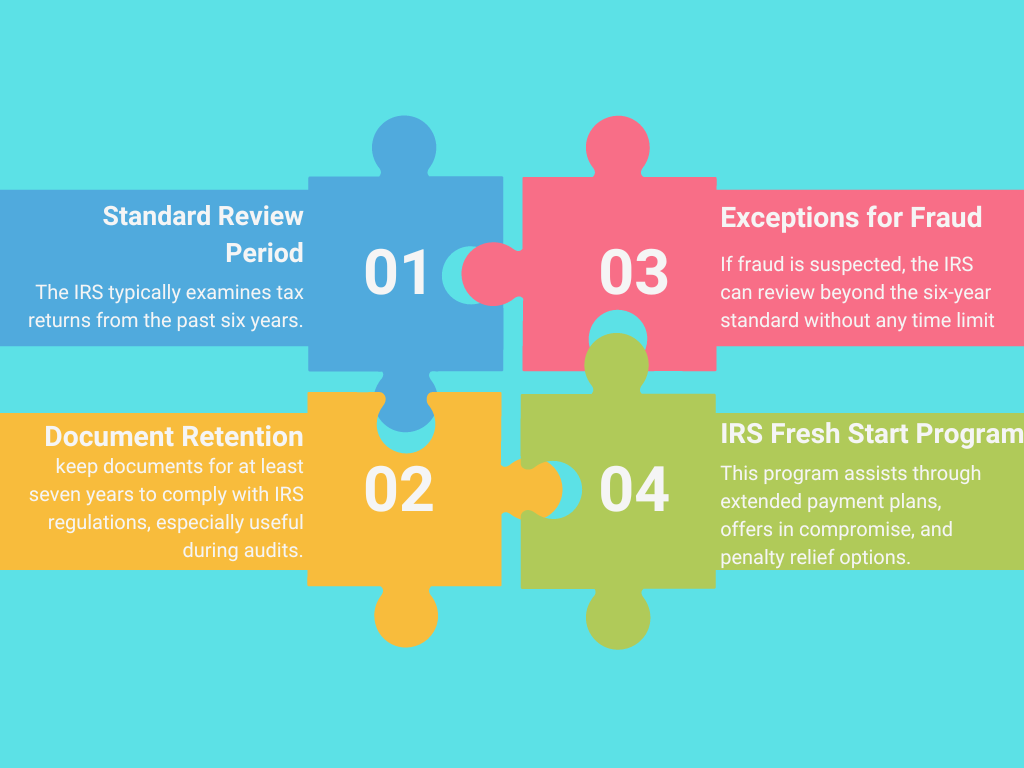
Tax debt concession programs Tax financial debt takes place when the quantity of taxes you owe exceeds what you have paid. This situation frequently results from underreporting income, not filing returns in a timely manner, or discrepancies found during an IRS audit. The consequences of building up tax financial obligation are significant and can include tax liens, which give the IRS a legal insurance claim to your property as safety for the financial debt.
Earnings and Bank Accounts IRS can impose (seize) wages and bank accounts to please the financial obligation. Home Seizure In severe situations, the IRS can confiscate and offer property to cover the financial debt.
Social Stigma Dealing with legal activity from the Internal revenue service can bring social stigma. Work Opportunities A bad credit report rating due to tire debt can limit work opportunities. Federal government Advantages Tax obligation financial debt may influence qualification for government benefits, such as Social Safety and Medicaid.
Rumored Buzz on Understanding Your Housing Counseling for Roommates and Shared Households: Avoiding Conflict and Eviction Options Before Filing
The OIC takes into consideration several aspects, consisting of the taxpayer's earnings, costs, possession equity, and capability to pay. Successfully working out an OIC can be intricate, calling for a thorough understanding of the IRS's guidelines and a strong argument for why your deal aligns with your capacity to pay. It is essential to keep in mind that not all applications are approved, and the process calls for in-depth monetary disclosure.
The internal revenue service assesses your total monetary situation, including your revenue, expenditures, property equity, and ability to pay. You should likewise be existing with all filing and repayment requirements and not be in an open personal bankruptcy proceeding. The internal revenue service also considers your compliance history, evaluating whether you have a record of prompt declaring and paying taxes in previous years.
Some Known Factual Statements About Ways Trustworthy Providers Uphold Professional Standards
The application procedure for an Offer in Compromise includes several detailed steps. First, you have to complete and submit IRS Kind 656, the Deal in Compromise application, and Form 433-A (OIC), a collection information statement for individuals. These kinds need comprehensive monetary information, including information regarding your earnings, debts, costs, and assets.
Back taxes, which are overdue taxes from previous years, can considerably raise your overall internal revenue service debt otherwise attended to promptly. This debt can accrue rate of interest and late repayment fines, making the original amount owed a lot bigger over time. Failing to pay back tax obligations can cause the internal revenue service taking enforcement actions, such as providing a tax obligation lien or levy against your property.
It is necessary to deal with back taxes immediately, either by paying the sum total owed or by arranging a layaway plan with the IRS. By taking positive actions, you can prevent the buildup of additional interest and charges, and stop more aggressive collection activities by the IRS.
One usual factor is the idea that the taxpayer can pay the total either as a swelling sum or through a payment strategy. The internal revenue service additionally takes into consideration the taxpayer's income, expenditures, asset equity, and future earning possibility. If these elements show that the taxpayer can afford to pay more than the supplied quantity, the IRS is likely to deny the offer.
Examine This Report about Steps for Begin with the Financial Recovery Journey
It is vital to supply exact and total information in your application and to seek advice from with a tax specialist to enhance the opportunities of acceptance. Managing IRS debt can be complicated and challenging. Tax specialists, such as Certified public accountants, tax obligation lawyers, or signed up representatives, can provide important help. They have the know-how to browse the ins and outs of tax obligation regulation and internal revenue service treatments.

Table of Contents
Latest Posts
"Debt Forgiveness Destroys Your Life" and Other Lies for Dummies

How to Not Fall Into the Previous Mistakes After Debt Relief Things To Know Before You Buy
Some Of Pricing Honesty to Watch For
More
Latest Posts
"Debt Forgiveness Destroys Your Life" and Other Lies for Dummies
How to Not Fall Into the Previous Mistakes After Debt Relief Things To Know Before You Buy
Some Of Pricing Honesty to Watch For